
Is starting a food truck right for you?
Starting a food truck is one of the most popular ways people try to break into the food industry, but it’s also one of the most misunderstood. From the outside, it looks like freedom: you create your own menu, set your own hours, move to the busiest areas, and serve food directly to people who appreciate it. But behind that romanticized version is a business with real challenges, long hours, and a daily learning curve that can feel like a roller‑coaster.
So, is starting a food truck right for you? Let’s break it down honestly and clearly so you can make the best decision for your future.
The Appeal of Food Truck Ownership
People are drawn to food trucks for different reasons. For many, it’s the creativity. You get to develop your own concept, design your own brand, and put your personality directly into the food. For others, it’s the flexibility. Compared to a traditional brick‑and‑mortar restaurant, a food truck usually requires a lower startup investment, and you can move to different neighborhoods, events, or cities to find your customers.
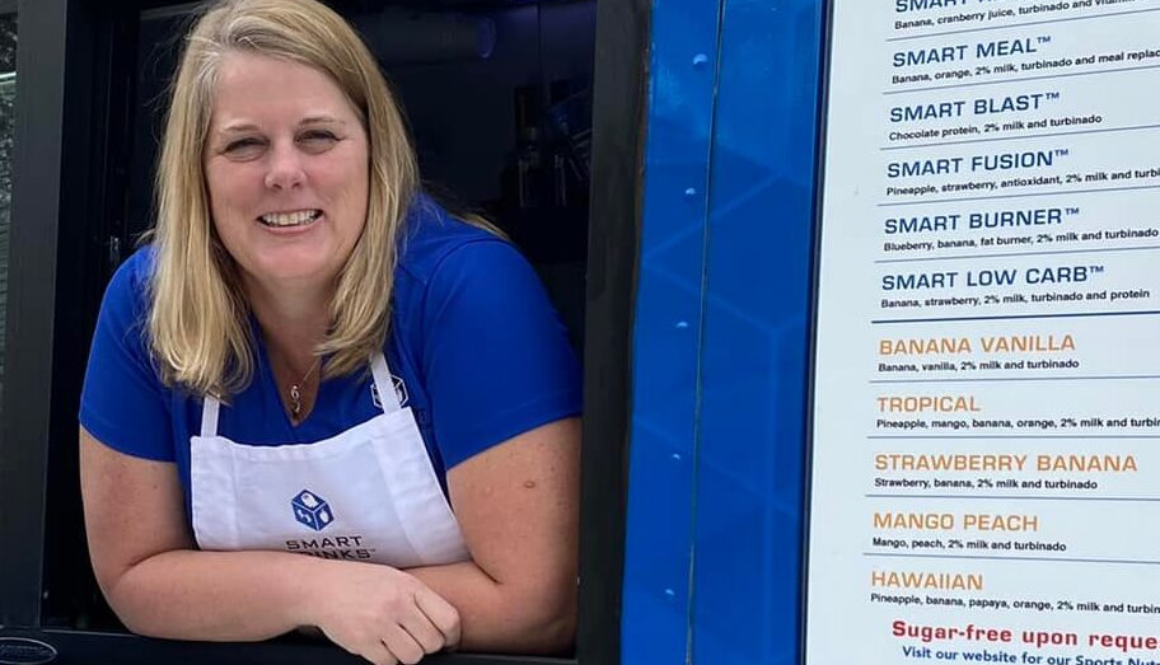
There’s also something rewarding about seeing your customers’ reactions in real time. You aren’t stuck in a kitchen in the back of a restaurant—you’re right there at the window, watching people take their first bites. That immediacy makes food trucking feel more personal and community‑driven than many other businesses.
The Reality Behind the Scenes
While the dream is real, so is the workload. Food trucks demand early mornings, late nights, and hours of prep and cleanup. You may find yourself waking up before sunrise to buy ingredients, prepping at a commissary kitchen, driving to your location of the day, cooking nonstop for a lunch rush, then returning to clean, restock, and plan for the next shift.
And that’s just a normal day—without equipment issues, weather problems, parking challenges, or event mishaps. Food truck owners need to be comfortable adapting on the fly, solving problems quickly, and staying positive even when things go wrong. The business works beautifully for people who enjoy fast-paced environments and variety, but it can overwhelm those who prefer routine.
Do You Have the Right Mindset for a Food Truck?
More than anything, owning a food truck is about attitude. You don’t need to be a professional chef, but you do need passion and drive. You’ll be interacting with customers constantly, so a friendly personality helps. You also need stamina: there will be long days, hot days, cold days, and unexpected challenges. People who thrive in food trucks are problem-solvers by nature. They see challenges as puzzles, not roadblocks.
If you enjoy thinking creatively, connecting with people, building a brand, and working hard for something that’s truly your own, the food truck industry tends to reward that.
Does Your Menu Make Sense for a Food Truck?
Another major question is whether your food concept fits the mobile format. Food truck menus should be simple, fast, and profitable. Trucks with complicated menus often struggle because small kitchens can’t handle long cook times or dozens of ingredients.
A menu that works well in a food truck usually has:
- Fast cook and assembly times
- Ingredients that overlap across multiple items
- Food that travels well and stays consistent
- A clear identity customers can understand at a glance
If your dream menu involves large, delicate plates or items that require long simmering or baking times, the food truck format may not fit. But if you can streamline your idea into something bold and efficient, you’ll be set up for success.
Can You Handle the Startup Costs?
Starting a food truck is more affordable than opening a restaurant, but it still requires a real investment. Between purchasing a truck, installing equipment, getting permits, paying for insurance, and securing commissary space, most owners spend between 50,000and50,000 and 50,000and175,000 before serving their first customer. Costs vary widely by region and concept, so researching your local regulations and requirements is essential.
This part of the process can surprise new entrepreneurs. Not every city welcomes food trucks equally, and some places require multiple permits, specific equipment setups, or restricted parking hours. Before you fall in love with the idea of a food truck, make sure it’s realistic where you live.
How Well Do You Know Your Market?
One of the biggest predictors of food truck success is market research. Even the best food concept can struggle if there isn’t demand for it in your city. Before investing, look at which trucks already operate near you. Are they thriving? What types of food are they selling? Are there gaps in the market? Could your menu fill a need, or are you entering an oversaturated category?
You should also think about where you’ll serve regularly. Will you park at office buildings? Breweries? Events? Markets? College campuses? Each location attracts different kinds of customers and influences the menu, prices, and branding.
How Comfortable Are You With Marketing Yourself?
Running a food truck today requires more than cooking—it requires visibility. Customers want to know where you’ll be, when you’ll be open, and what you’re serving. That means staying active on social media, posting photos, interacting with customers, and building a following.
Many trucks rely almost entirely on Instagram, Facebook, and TikTok to stay busy. If you enjoy content creation, engaging with people online, and building a brand around your concept, you’ll likely enjoy this part of the business. If not, you may find it challenging.
Final Thoughts: Is a Food Truck Right for You?
There isn’t a one-size-fits-all answer. Starting a food truck is right for you if you’re excited by the idea of building a business from the ground up, if you enjoy fast-paced work, if you love connecting with customers, and if you’re willing to push through early challenges to reach long-term success. It may not be right for you if you prefer predictable routines, low-pressure environments, or minimal physical work.
But if the idea of creating something uniquely yours lights you up—and you’re ready to learn, grow, and adapt—then a food truck might be one of the best decisions you ever make.
CTA: A Faster Way to Get Started
If the idea of creating a menu, designing a truck, navigating permits, and building everything from scratch feels overwhelming, there’s another option. You can consider buying into an established franchise like Smart Drinks, where you benefit from a proven brand, a tested menu, clear systems, training, and ongoing support. A franchise gives you the freedom of business ownership while dramatically reducing the trial-and-error phase that most new food truck owners face.
If this is the style and structure you want, tell me and I’ll create Blog Post 2 in the same exact format.